A decade ago, "cordless" meant underpowered. That's no longer true for the jobs most homeowners actually do. But the honest answer to "cordless or gas?" still depends on how you use the tool. Here's the straight comparison, category by category.
Power and runtime
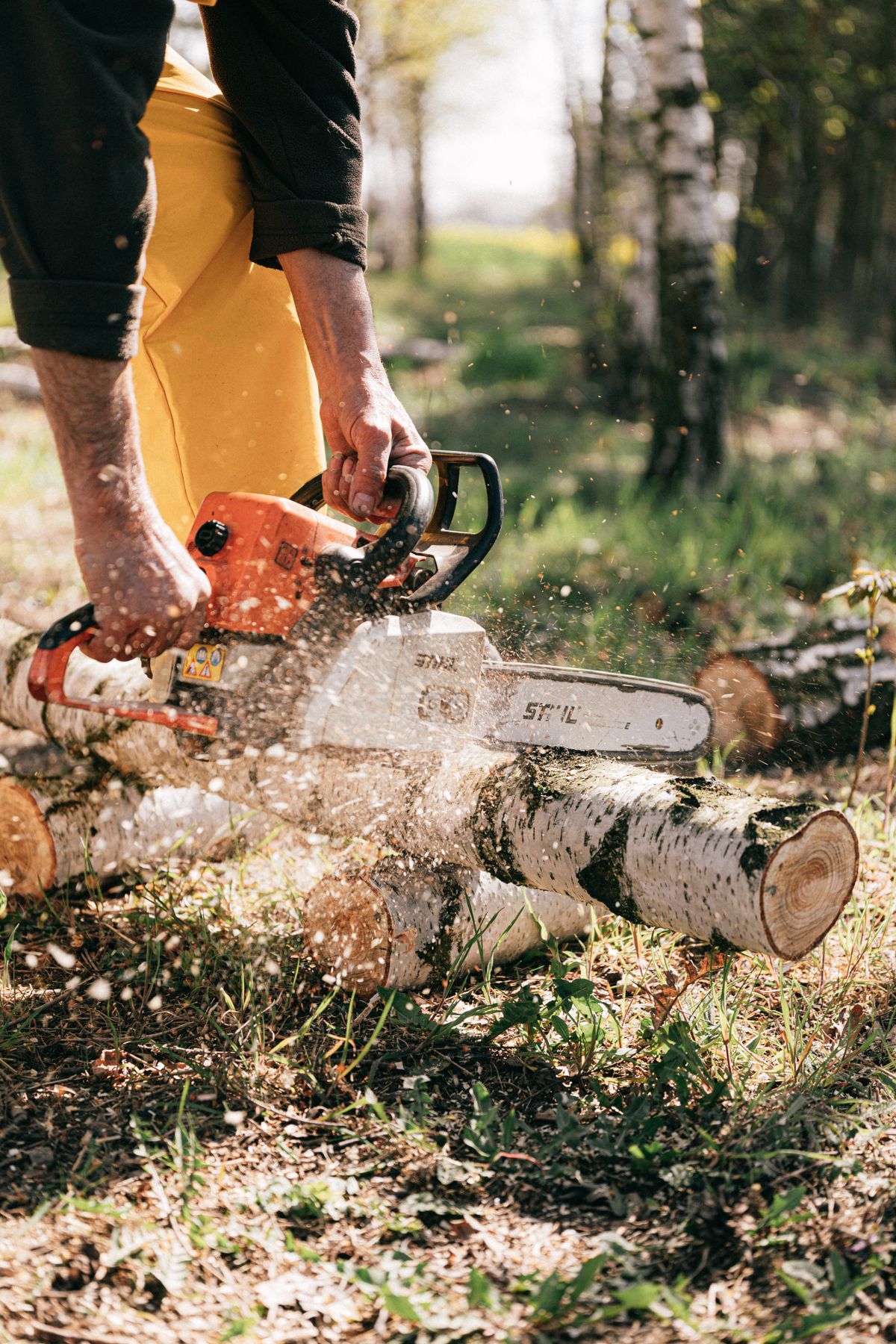
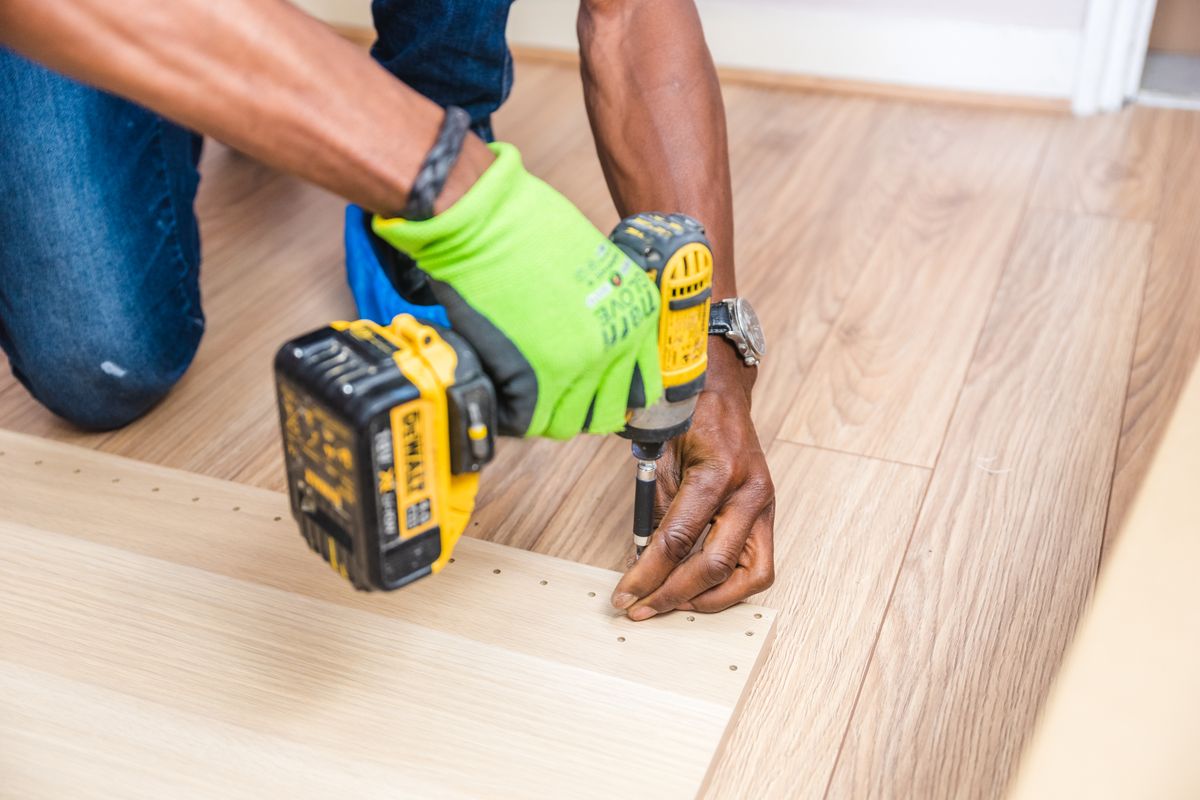
For trimming, blowing, light pruning, and drilling, a good 20V cordless tool now matches gas in real-world use. Where gas still leads is sustained, heavy load — felling large trees all day, or clearing acres of thick brush. The honest caveat for cordless is runtime: you're limited by battery capacity, so for big jobs you'll want a spare pack.
Noise and emissions
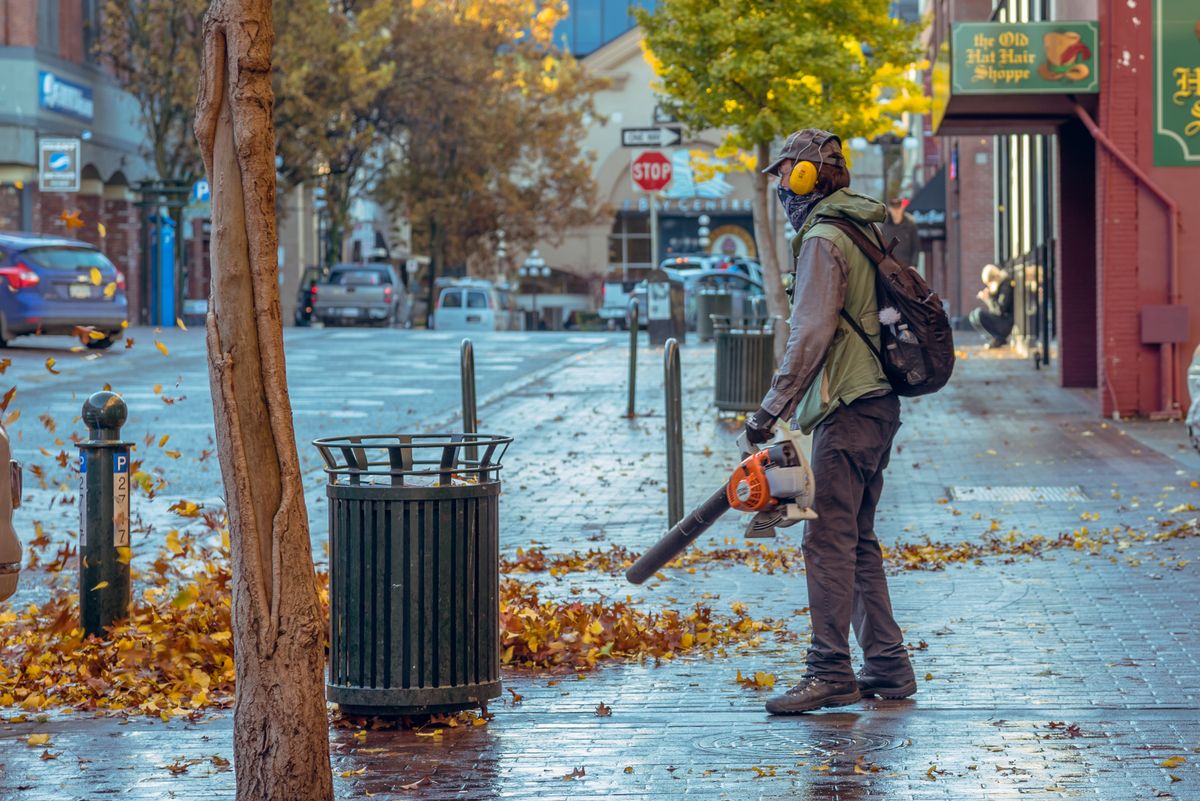
This is cordless's clearest win. Battery tools are dramatically quieter — you can work early without a neighbor complaint — and produce zero direct emissions. Several regions are now restricting gas-powered yard equipment for exactly these reasons.
Weight and ease of use
No engine means cordless tools are lighter and better balanced, which matters most for overhead and one-handed work. There's also no pull cord, no choke, no warm-up: you squeeze the trigger and it runs. For occasional users, that instant-start simplicity is the single biggest quality-of-life difference.
Maintenance and total cost
Gas tools need fuel, oil mixing, air filters, spark plugs, and off-season fuel stabilizing. Cordless tools need… charging. Over a few years, skipping fuel and tune-ups usually makes cordless cheaper to own, even though the upfront price can be similar. A shared battery platform compounds the savings — one pack powers your whole lineup.
So which should you buy?
- Choose cordless if you're a homeowner doing regular yard upkeep and value quiet, light, low-maintenance tools.
- Choose gas if you run a crew, clear large acreage, or need uninterrupted all-day runtime.
- Honestly? For most people reading this, cordless is the better fit — and we'll tell you when it isn't.
Frequently asked questions
Are cordless tools as powerful as gas?
For everyday homeowner jobs — trimming, blowing, light pruning, drilling — yes, modern 20V cordless tools are effectively as powerful. Gas still leads for sustained heavy-duty cutting and all-day commercial use.
How long do cordless yard tools run on a charge?
It depends on the tool and battery, but expect roughly 20–45 minutes of active use per charge for most yard tools. Keeping a charged spare battery effectively removes runtime as a limitation.
Is cordless cheaper than gas over time?
Usually yes. Once you account for fuel, oil, filters, and tune-ups that gas requires and cordless doesn't, battery tools tend to cost less to own over a few years — especially on a shared battery platform.
Why are some areas banning gas yard tools?
Mainly noise and emissions. Gas leaf blowers and trimmers are loud and produce significant pollution, so a growing number of cities restrict or ban them, pushing homeowners toward cordless.